People often ask me how I manage to juggle running a business, raising three kids, volunteering in the community, and still finding time for yoga or family travel. The truth is, it all comes down to planning. My background in industrial engineering and management science taught me that structure doesn’t limit creativity, it gives it room to grow. Whether I’m organizing a home renovation project for MarDav Enterprises or making sure everyone’s uniforms are ready for the next basketball game, having a system makes life smoother.
The Engineer in Everyday Life
Before I became a business owner, I studied industrial engineering at Lehigh University. At the time, I loved solving puzzles and improving processes. I never imagined how much those same principles would apply to family life. Engineering is really about efficiency, understanding how systems work and how to make them better. Family life, believe it or not, works the same way.
In business, I plan projects with clear timelines, budgets, and priorities. At home, I use similar thinking. I look at what needs to be done, what resources we have, and how to make it all fit together. It doesn’t always go perfectly, but having a plan keeps chaos at bay.
The Blueprint Mentality
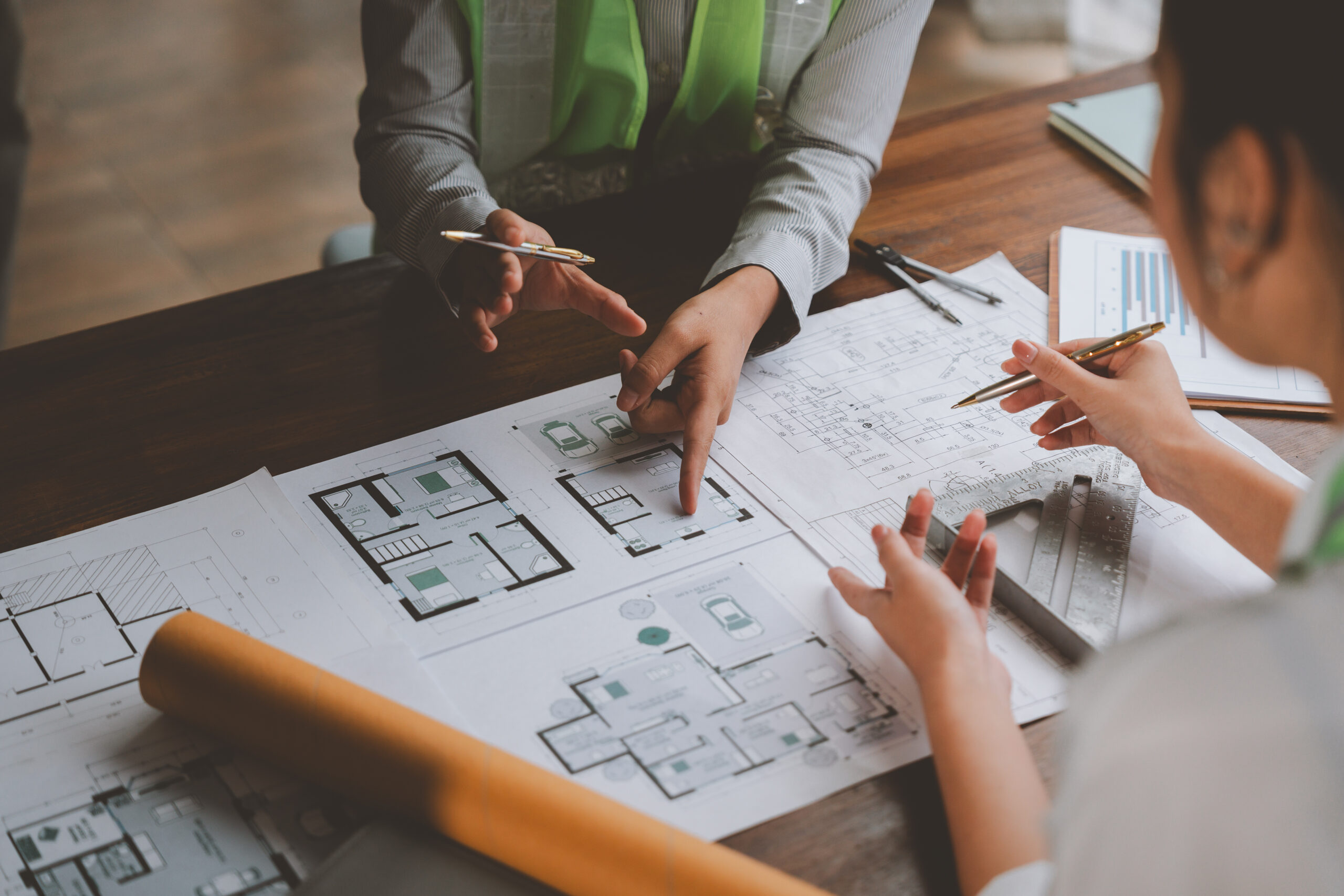
One of the biggest lessons from my engineering background is that every great project starts with a blueprint. You wouldn’t build a house without a foundation or a plan. The same goes for life. Before diving into a busy week, I like to map things out.
I keep a big family calendar that tracks everything from sports practices to church events to client meetings. It hangs in a central spot where everyone can see it. That one simple system has saved us countless times from missed appointments or last-minute scrambles. I also use planning time on Sunday evenings to set priorities for the week.
In our business, that same approach helps us stay efficient. Each renovation project has a timeline with milestones, materials lists, and responsibilities clearly laid out. It’s amazing how much smoother everything runs when everyone knows what comes next.
The Power of Systems Thinking
Engineering taught me to look at the big picture. When a process isn’t working, instead of blaming one step, you look at how all the parts connect. That same mindset has helped me navigate family life. If mornings are stressful, it’s usually not because one thing went wrong, it’s because the whole system needs adjusting.
Maybe backpacks aren’t packed the night before, or maybe we need to prepare lunches earlier. I treat these problems the same way I’d approach a business challenge: identify the root cause, make a change, and test it out. Small improvements in one area often make a huge difference overall.
This kind of systems thinking also helps me stay calm. When things go wrong, I remind myself that every process needs fine-tuning. There’s no need to panic. You just make adjustments and keep moving forward.
The Balance Between Structure and Flexibility
People sometimes assume that being organized means being rigid, but that’s not true. The best systems have room for flexibility. At MarDav, projects rarely go exactly as planned. There are weather delays, supply issues, and unexpected repairs. That’s life.
At home, it’s the same. Kids get sick, meetings run late, and sometimes dinner is just takeout. I’ve learned that structure gives you the confidence to adapt when things change. When you have a plan in place, you can bend without breaking.
For example, when our family travels, I plan enough to make sure we’re prepared but not so much that we miss the fun of discovery. I’ll book flights, hotels, and key activities, but I also leave time for wandering, exploring, and simply enjoying the moment. That’s the sweet spot between order and adventure.
The Joy of Organization
I genuinely enjoy organizing. Some people see it as a chore, but to me, it’s satisfying to bring order to chaos. Whether it’s labeling storage bins in the garage or color-coding our project folders at work, I find peace in knowing that everything has a place.
It’s not about perfection, it’s about clarity. When things are organized, my mind feels clearer too. I can focus on what really matters, whether that’s finishing a project, spending time with my kids, or volunteering at St. Ann Byzantine Helping Hands.
Lessons from the Job Site
Working in real estate and property rehabilitation has reinforced the importance of planning. Every renovation project starts with careful measurements, timelines, and coordination between teams. You learn quickly that skipping steps leads to mistakes.
I apply the same lesson at home. If I rush through a week without planning meals, checking schedules, or coordinating rides, the result feels just like a project gone off track. Taking a few extra minutes to plan saves hours of frustration later.
Another lesson from the job site is teamwork. A successful renovation requires trust between everyone involved. At home, that means trusting that each family member can handle their role. Delegating tasks isn’t about control, it’s about collaboration.
Finding Harmony
Balance isn’t something you stumble upon; it’s something you build. For me, harmony comes from structure that supports the life I want to live. I don’t strive for a perfectly balanced schedule every day. Instead, I focus on creating systems that allow our family and business to thrive most of the time.
Some days lean heavily toward work. Other days are filled with family commitments or volunteer events. But because there’s structure behind it all, the pieces fit together more smoothly. The blueprint gives us direction, and the flexibility keeps us grounded.
Make Life Manageable
Engineering taught me how to design systems, but life taught me how to live them. Planning and organization don’t make life boring, they make it manageable and meaningful. From the blueprints of our renovation projects to the calendar that keeps our household running, structure gives me the space to focus on what truly matters.
Harmony doesn’t just happen. It’s built step by step through intentional choices, thoughtful planning, and a willingness to adapt. Whether at the job site or in my living room, I’ve learned that the same principles apply. When you plan with purpose and act with care, both work and home can become places of balance, creativity, and peace.